
In June 2025, an incident involving elevated blood lead levels among children at a kindergarten in Tianshui, Gansu Province, drew widespread public attention. Sixty-nine children were found to have abnormal blood lead levels, with some readings far exceeding normal reference ranges. To date, eight individuals have been criminally detained on suspicion of environmental pollution crimes.
This incident laid bare the insidious nature of lead poisoning—many children showed no obvious symptoms yet suffered long-term, unrecognized neurological damage. These invisible “chronic toxins” may prove more alarming than sudden accidents.
The U.S. Centers for Disease Control and Prevention (CDC) has long stated in its reports that no level of lead in children's blood is proven “safe.” Even extremely low doses may cause irreversible damage to brain development.
Research indicates that for every 1-microgram-per-deciliter (μg/dL) increase in childhood blood lead levels, IQ scores decline by an average of 2 to 4 points. When blood lead levels exceed 5 μg/dL, the risk of attention deficit, hyperactivity, and learning difficulties significantly increases.
Lead poses multifaceted hazards to children. Their intestines absorb lead at five times the rate of adults, making them more vulnerable to its effects. Lead accumulates in bones, contributing to osteoporosis. Additionally, it can damage the kidneys, cardiovascular system, nervous system, and reproductive organs.
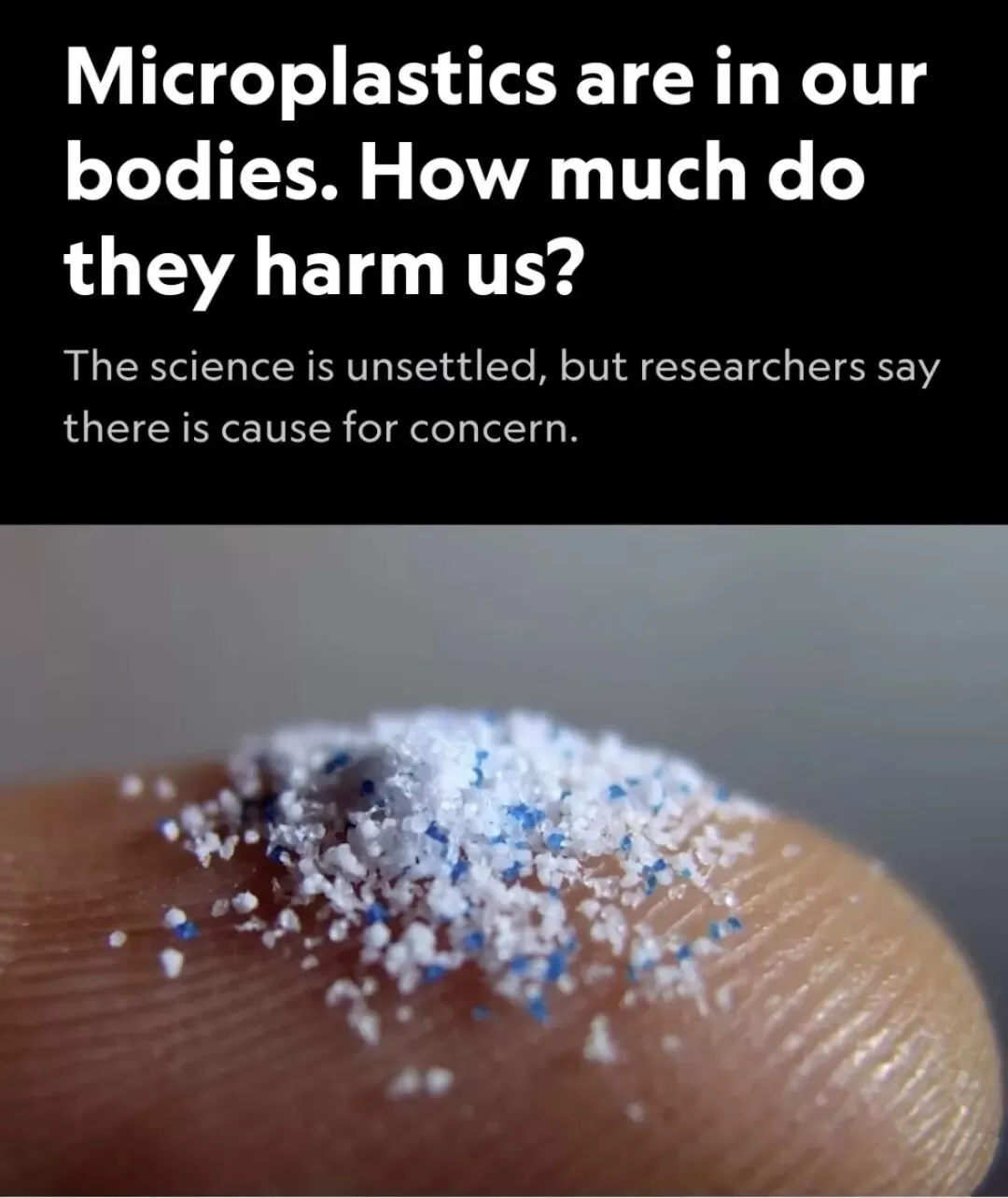
The issues exposed by the blood lead scandal extend far beyond lead itself. It serves as a mirror reflecting our collective disregard for “invisible risks” in modern life. It warns us that behind industrialization and convenience, various unnatural toxins are silently endangering human health through air, water, daily necessities...
Plastic, one of humanity's most ubiquitous synthetic materials, permeates every facet of our lives. But are you truly aware of its potential dangers?
Nature Magazine Intensifies Focus on Plastic Pollution
In fact, the plastic crisis has long captured the global scientific community's attention. On July 9, 2025, the prestigious international journal Nature published an unprecedented five articles—including two research papers, one news commentary, one research brief, and one editorial—all centered on plastic pollution, underscoring the urgency of addressing its dangers.
Among these, Sophie ten Hietbrink's team at Utrecht University in the Netherlands detected nanoplastics in every single sample collected—from coastlines to the open ocean, from the surface to the deep sea. Estimates suggest that the surface waters of the North Atlantic alone, spanning temperate to subtropical zones, contain up to 27 million tons of nanoplastics. This figure approaches or even exceeds previous estimates of the total plastic waste in the world's oceans.
Another study led by Laura Monclús' team at the Norwegian University of Science and Technology conducted a comprehensive survey of chemicals involved in plastic products and production processes. They identified over 16,000 chemicals used in plastic manufacturing or present in plastic products, with more than 4,200 classified as “chemicals of concern.” Most of these are difficult to degrade naturally, and some possess confirmed toxicity or potential bioaccumulation. This means that when these plastics and chemical additives are absorbed by plants and animals, they are highly likely to accumulate in the food chain and ultimately be ingested by humans, causing irreversible health hazards.
Plastic—It's Hard to Love You
This concentrated reporting by Nature once again confirms the threat plastics pose to the ecological environment and human health. So how exactly does the ubiquitous plastic in our daily lives harm our health?
Specifically, the threat to human health from plastics stems primarily from two sources: first, the chemical substances added to plastic products themselves, such as common plasticizers; second, the microplastic particles formed during the production, use, and wear of plastics.
Plasterizers are commonly found in the formulations of plastic products and may migrate into the human body during daily use. Microplastic particles, meanwhile, enter the natural environment extensively through plastic waste and ultimately affect humans themselves. The former has been criticized for years yet remains ubiquitous, while the latter has been widely detected in oceans, food, and even human tissues.
Most importantly, both exhibit characteristics of long-term, hidden, and irreversible harm, demanding our serious attention.
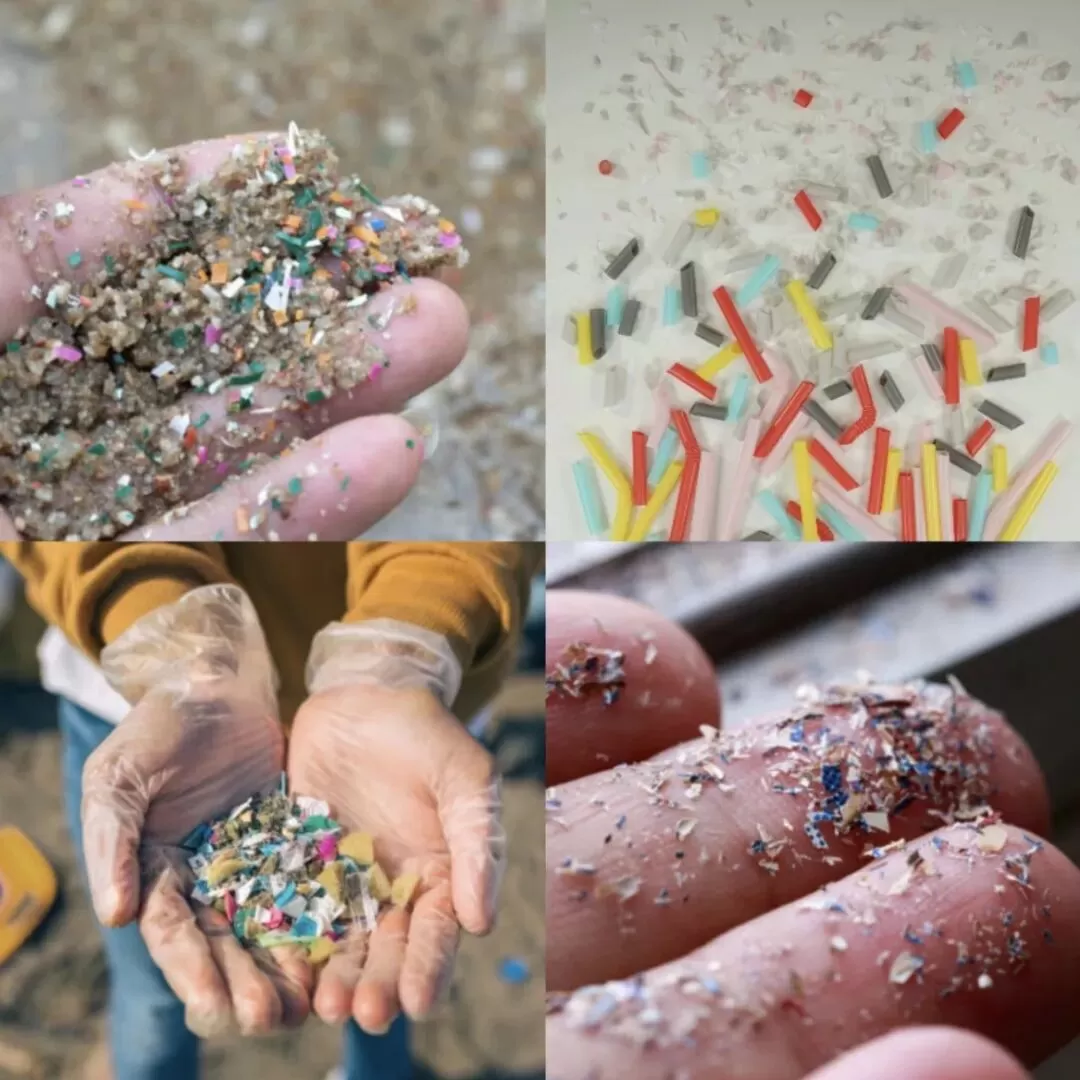
According to the definitions established by the U.S. Environmental Protection Agency (EPA) and the European Chemicals Agency (ECHA), plasticizers are a class of chemical substances added to plastics primarily to enhance the material's flexibility, elasticity, and workability.
What is a plasticizer?
The most common plasticizers are phthalate compounds, which are widely present in polyvinyl chloride (PVC) products. These include children's toys, food packaging films, disposable tableware, IV tubing, flooring materials, and maternal and infant products.
Since these compounds do not form a strong bond with the plastic structure, they can easily migrate during use. They may enter the human body through ingestion, inhalation, or skin contact, posing potential health risks with long-term exposure.
Research indicates that plasticizers not only contribute to early puberty in children but also possess carcinogenic, teratogenic, and mutagenic properties. They may increase the risk of liver and breast cancer, act as potent teratogens, and exhibit toxicity to the human reproductive system, liver, lungs, and heart.
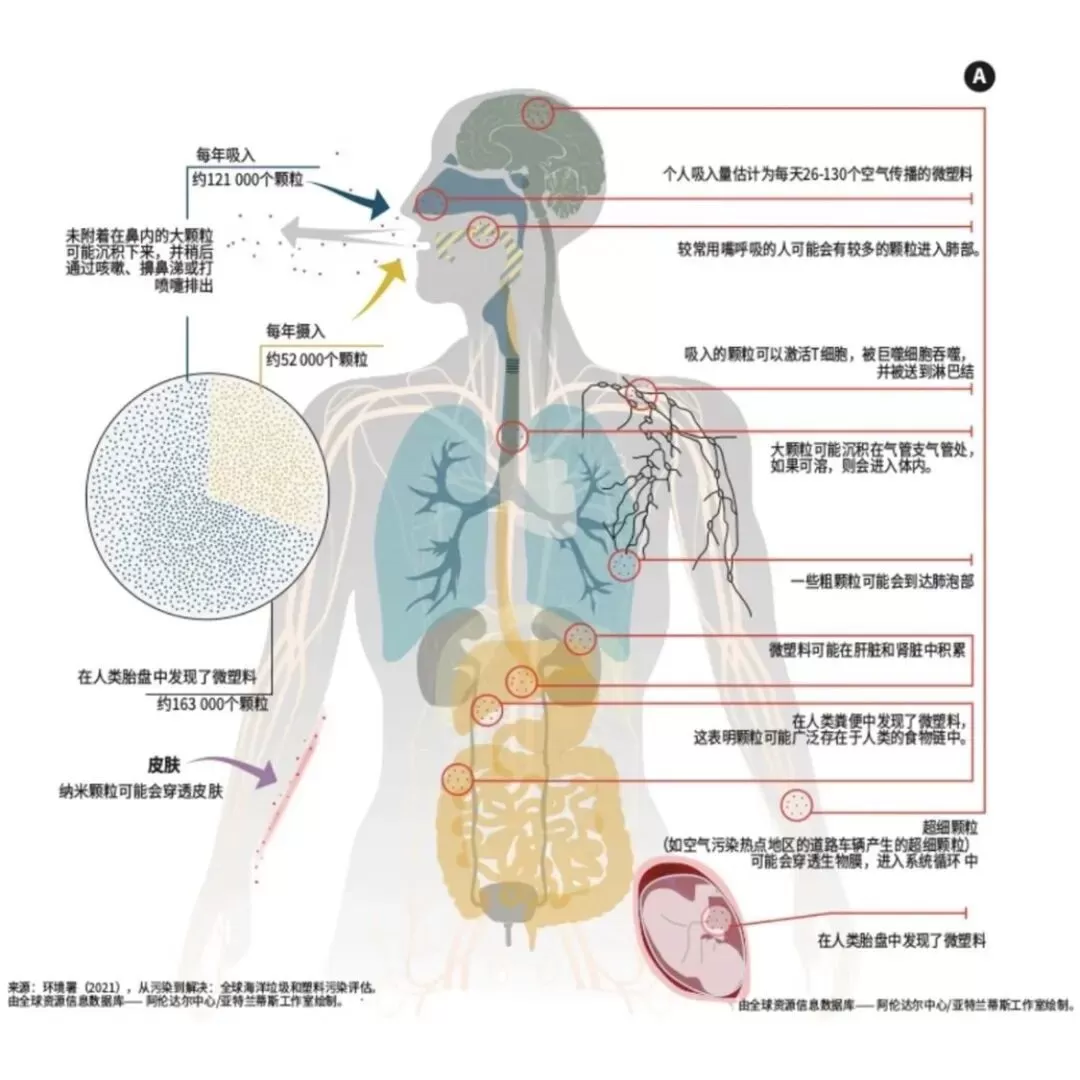
Image source: United Nations report “From Pollution to Solutions: A Global Assessment of Marine Litter and Plastic Pollution”
Certain plasticizers (such as DEHP) have been classified as probable human carcinogens by the World Health Organization (WHO) and the International Agency for Research on Cancer (IARC).
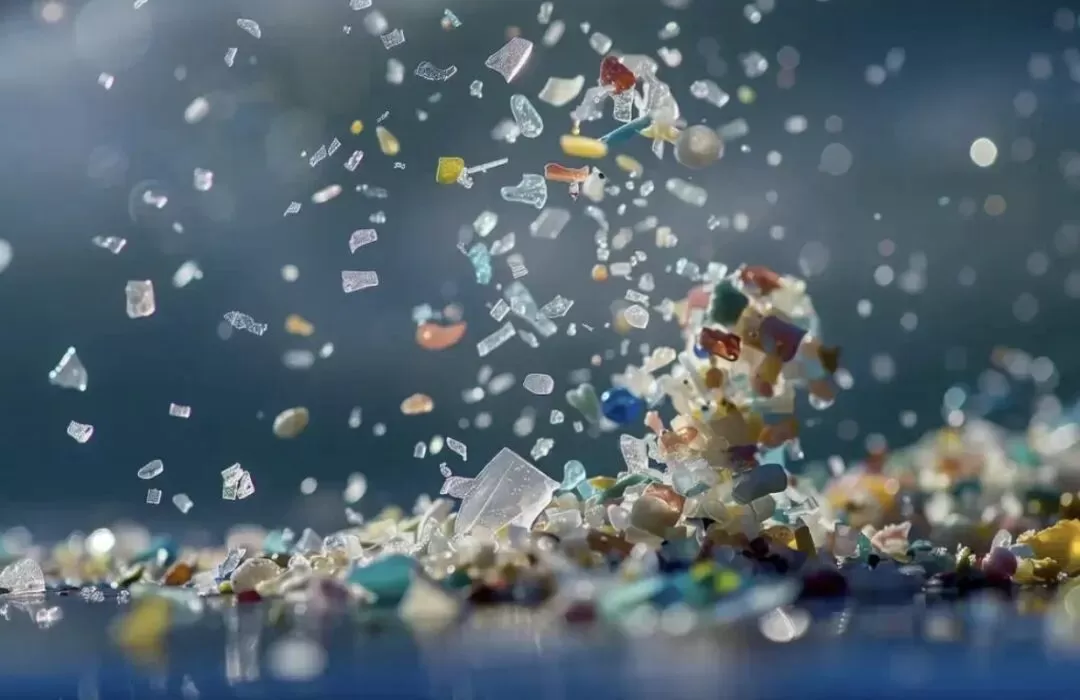
According to definitions established by the U.S. National Oceanic and Atmospheric Administration and the European Chemicals Agency, microplastics (MPs) typically refer to plastic fibers, fragments, or particles smaller than 5 millimeters in diameter, making them nearly invisible to the naked eye.
What are microplastics?
Microplastics represent an emerging class of environmental pollutants. They are widely present on the surfaces of plastic products and can enter the human body through respiratory inhalation, ingestion, and skin contact. Current literature indicates that over 20 types of microplastics have been detected in human bodies, and nanoplastics can even cross the placental barrier to enter the fetus. Their potential threat to human health cannot be overlooked.
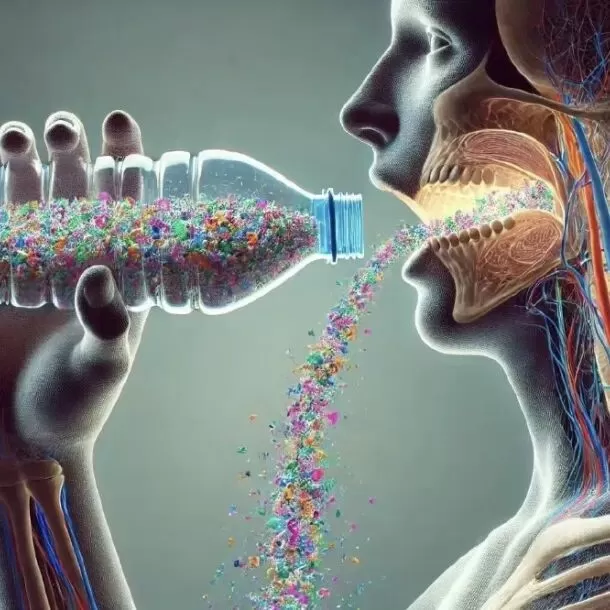
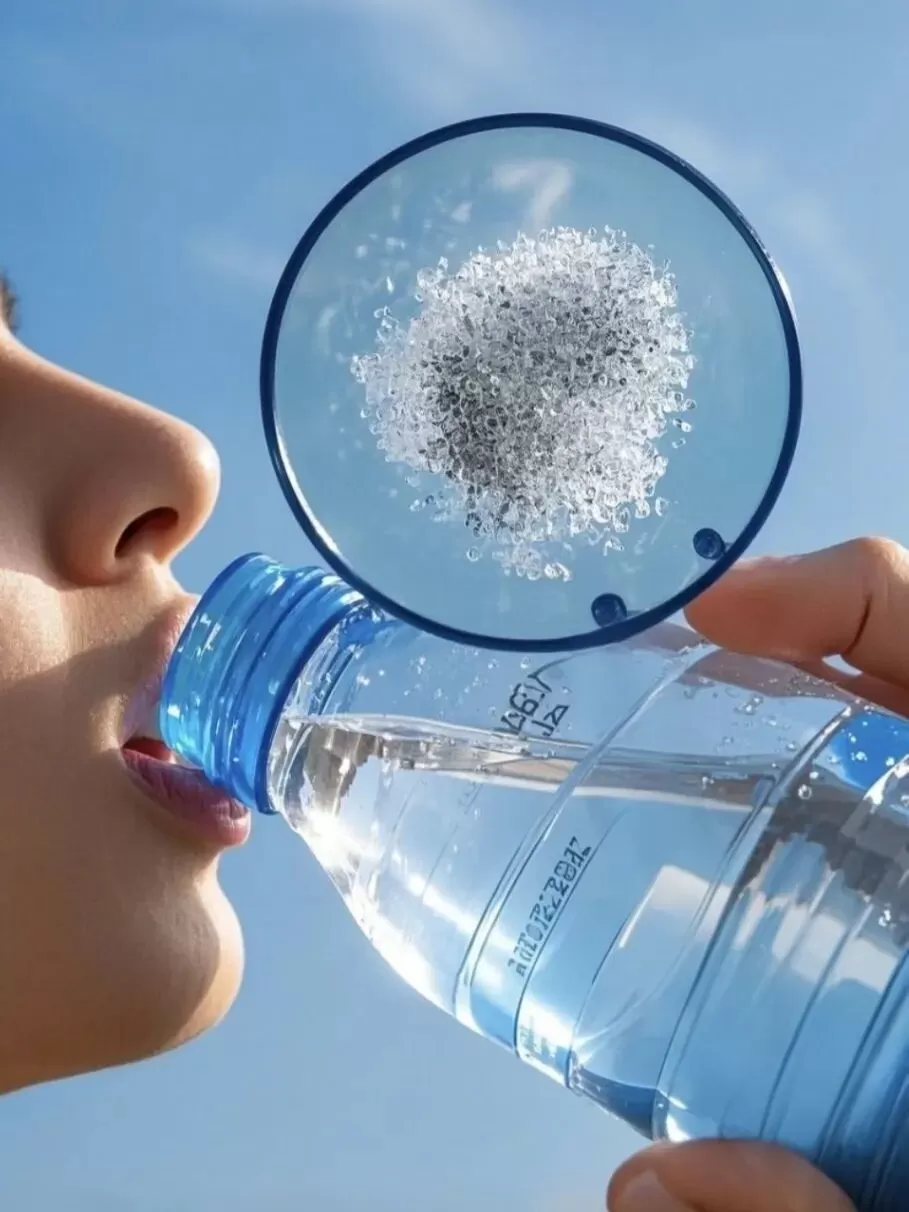
“The microplastics we eat, drink, and breathe”
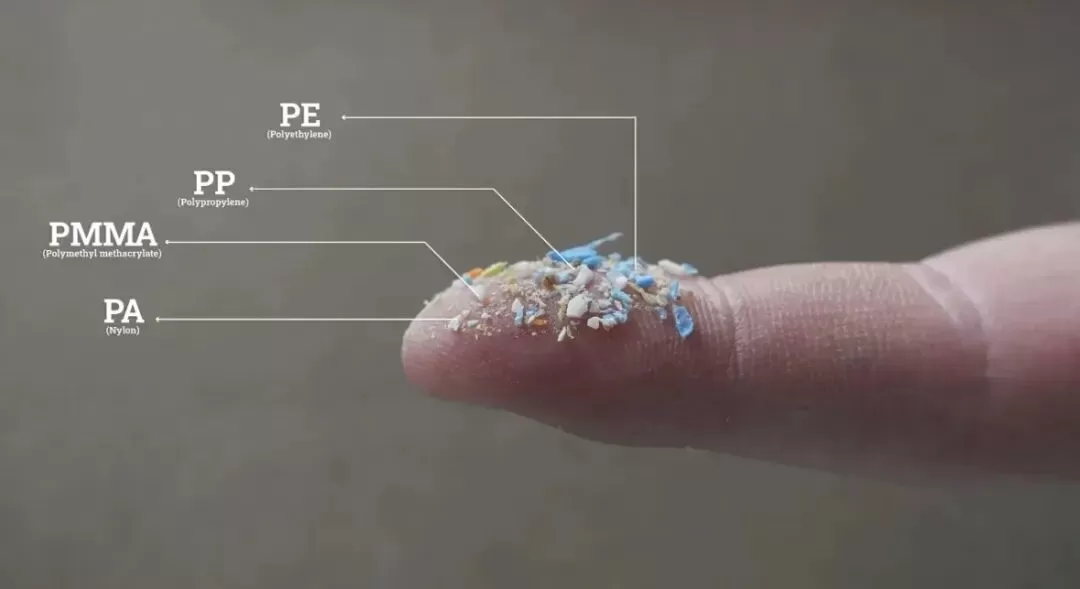
In 2019, researchers published a study in Environmental Science & Technology indicating that tea bags made from nylon 66 or polyester (PET), when steeped in 95°C (212°F) water for five minutes, release 11.6 billion micron-sized plastic particles and 3.1 billion nanoparticle-sized plastic particles.
In 2020, a study by a research team from the Indian Institute of Technology, published in the Journal of Hazardous Materials, revealed that when hot beverages are poured into disposable paper cups, these cups release over 25,000 micron-sized microplastic particles into the drink within approximately 15 minutes.
A 2024 study published in the Proceedings of the National Academy of Sciences found that each liter of bottled water contains an average of approximately 240,000 plastic particles.
As plastic microplastics relentlessly erode the Earth's ecosystems, and plasticizers migrate from toys and food packaging into children's bodies, we must ask: Is there a material that can meet modern society's demand for plastics while fundamentally eliminating such health risks?
The breakthrough solution—polylactic acid (PLA), a bio-based, biodegradable material derived from nature and returning to nature—may be the most viable option available today.
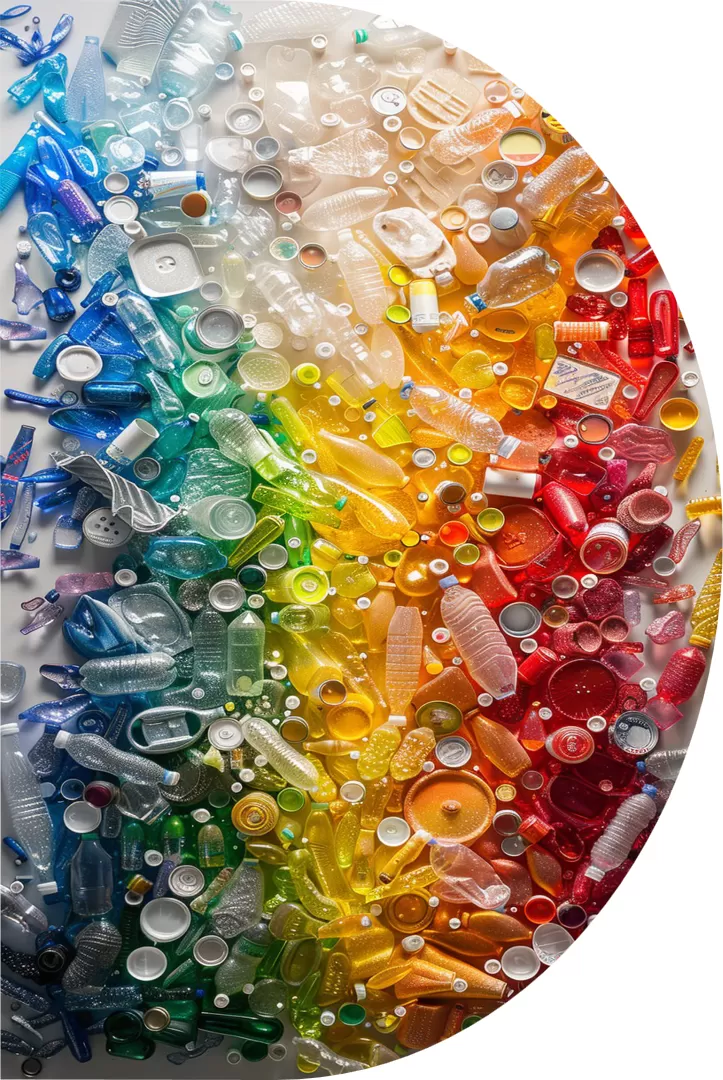
1. The material itself contains no plasticizers.
PLA (polylactic acid) is produced by fermenting glucose into lactic acid, which is then polymerized. Unlike some petroleum-based plastics that rely on phthalate plasticizers like DEHP and DINP to achieve flexibility, PLA requires no plasticizing additives for molding.
Therefore, replacing PVC with PLA as the base material for stationery, toys, and tableware directly eliminates plasticizer sources at the origin.
2. No risk of solvent migration during processing
PLA's melt processing temperature (170–200°C) is lower than traditional petrochemical plastics. It requires no solvent-based plasticization or cross-linking reactions, ensuring no phthalate or heavy metal catalyst residues throughout the production chain. Testing shows that PLA children's tableware exhibits total migration levels < 1 mg/dm² in simulated solutions of 95°C hot water, 4% acetic acid, and n-heptane—significantly below China's national standard limit of 10 mg/dm² for food contact materials.
3. Closed-loop usage and disposal system prevents “secondary pollution”
Usage phase: PLA toys and stationery resist oils and weak acids, requiring only routine cleaning without repeated high-temperature steam sterilization. This avoids the typical scenario where “heat + oil” triggers plasticizer migration.
Disposal End: As a bio-based material, PLA fully degrades into CO₂ and water within 6 months under industrial composting conditions. Unlike petroleum-based microplastics, it does not persist long-term in soil or water bodies, thereby preventing its return to humans through the food chain.
Replacing “petroleum-based + plasticizers” with “bio-based + biodegradable” reduces children's exposure risks across the entire lifecycle—from source and processing to use and disposal—achieving true “green protection.”
SYNLIFE specializes in providing high-performance bio-based material solutions for industrial chains through advanced synthetic biology technologies. Rooted in Shanghai Jiao Tong University as its technological hub, SYNLIFE has developed and commercialized multiple high-performance PLA materials since its inception.
YOGTIC™ (Yogurt Plastic) is SYNLIFE's proprietary high-performance bio-based material based on PLA. It addresses the performance limitations inherent in PLA as a natural material and has pioneered commercial breakthroughs in demanding industries such as stationery, toys, and cosmetics.
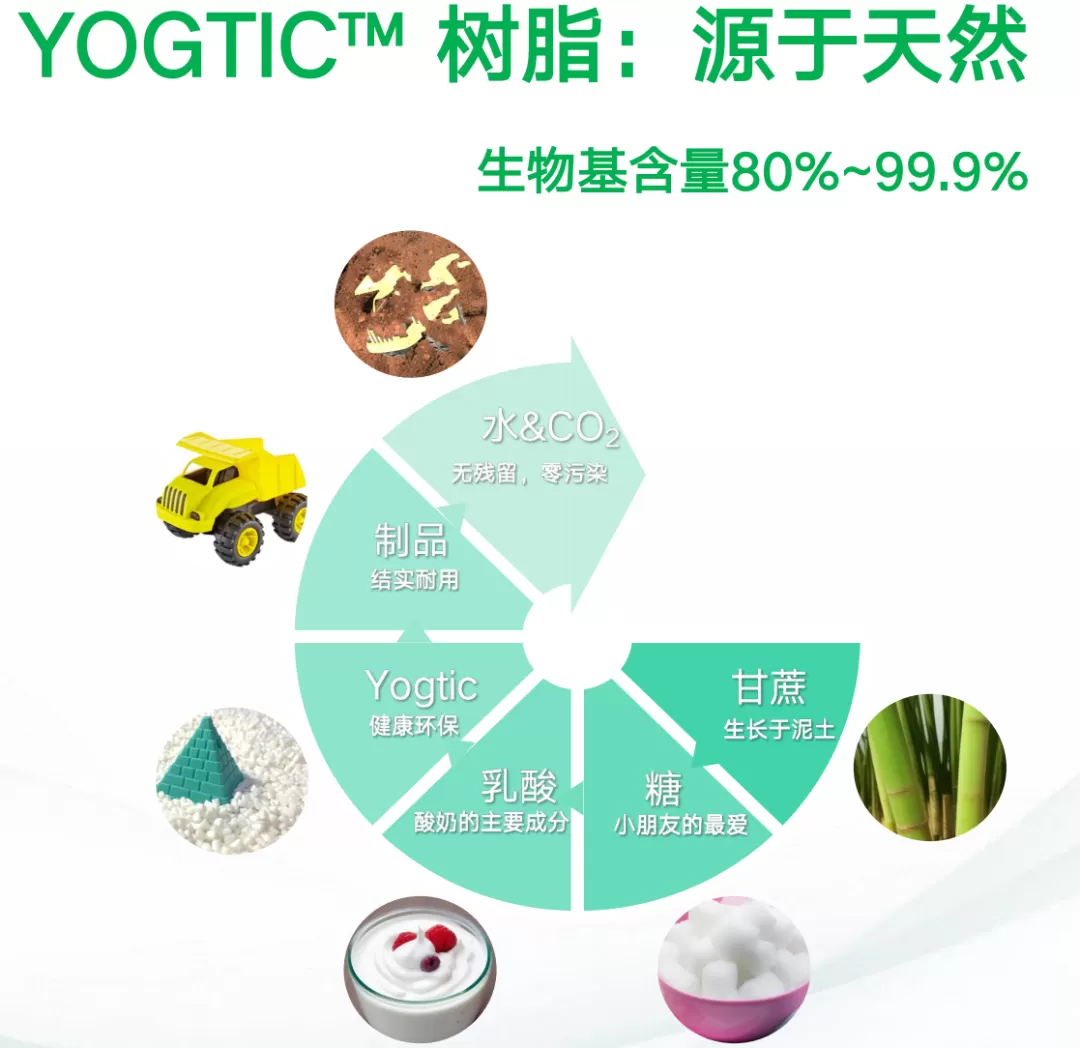
After three years of research and development, Sipeng Technology has successfully created the 05A “Cold Crystal” series and 15B ‘Hanbai’ series of high-performance bio-based resins using PLA as the base material, overcoming the “last mile” challenge in the transition from PLA industrialization to product commercialization.
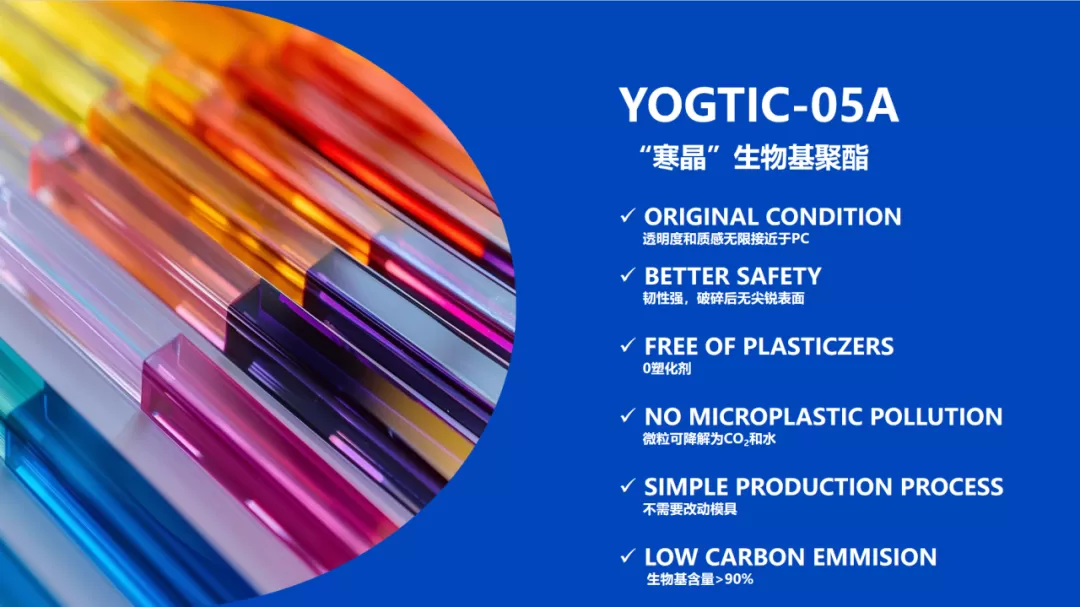
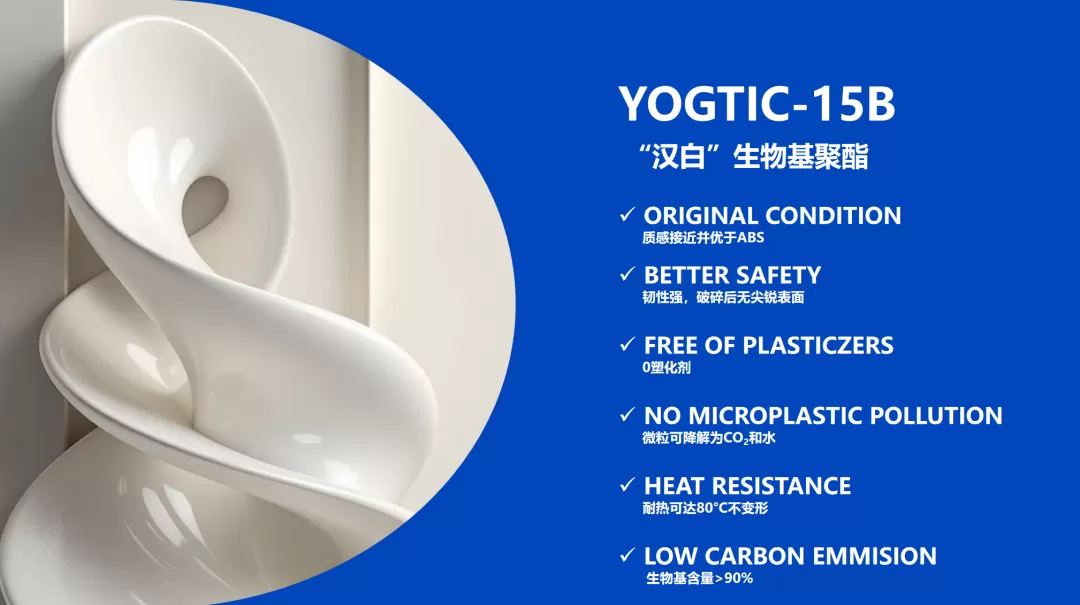
Within this year, the world's first high-performance stationery made from bio-based materials will debut, potentially ending the generations-old concern of parents about children chewing on school supplies.
What exactly is this product? Allow us to keep you in suspense—the answer will be revealed in 2025.
Try PLA. Try YOGTIC.
Join SYNLIFE in safeguarding the future of our children and our planet.