
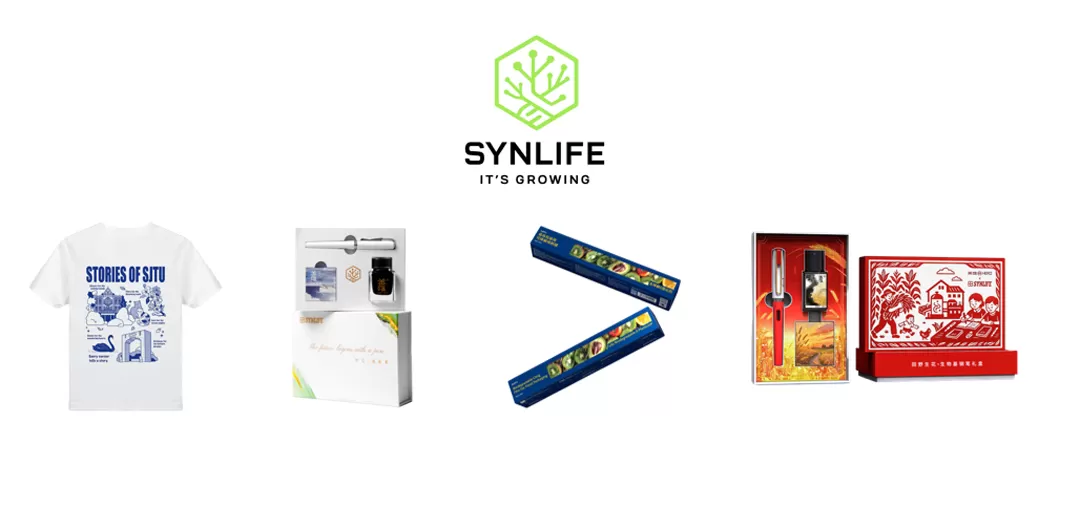
Recently, the “Shanghai Jiao Tong University Future Industry Innovation and Technology Strategy Conference,” jointly hosted by Shanghai Jiao Tong University and Shanghai State-owned Capital Investment Co., Ltd., was successfully held at the Minhang Campus of Shanghai Jiao Tong University. As a vivid example of the university's technology transfer efforts, Sipeng Technology participated in the event with multiple advanced biomaking terminal products, offering attendees a new lifestyle experience based on cutting-edge biomaking technology.
The following is a reprint from the original text by SJTU New Campus:
SJTU Takes Sci-Tech Investment Seriously

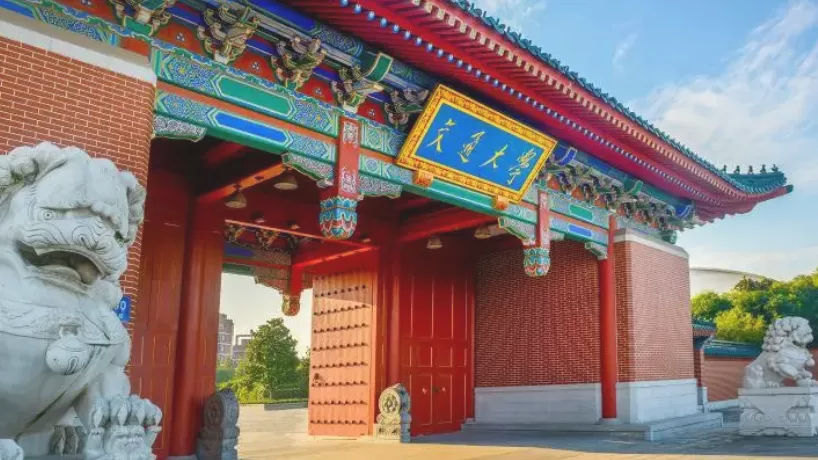
Shanghai Jiao Tong University stands not only as a bastion of knowledge, but also as a pioneer in exploration. It has entered the sci-tech investment arena with the stature of a top-tier university, cultivating and advancing with meticulous care on fertile ground where venture capital empowers the transformation of scientific achievements. Here, technological conviction and capital logic resonate in perfect harmony, jointly composing the “Shanghai Jiao Tong University Legend” of China's hard technology rise.
First, is the supply of high-value sources sufficient? Here, “high value” specifically refers to fundamental research outcomes that genuinely create industrial value and address market pain points—if lab technologies remain merely “paper-level” breakthroughs rather than meeting “industrial-level” demands, even impressive conversion rates cannot sustain industrial innovation;
Second, is “patient capital” willing to step in? Converting fundamental research outcomes often requires 5-10 years, accompanied by high risks of technological iteration and market validation. If capital pursues only quick, low-risk returns, refusing to invest or wait, even the most promising technologies will stall at the “lab-to-production line” stage.
Since late 2020, as China's sole pilot institution, Shanghai Jiao Tong University has spearheaded a special reform initiative for university technology transfer. It has systematically explored a “full empowerment (implementation by the inventor)” model to remove barriers to technology commercialization. The challenges of “unwillingness, fear, and inability to transfer” scientific achievements in universities and research institutions are gradually being resolved at Shanghai Jiao Tong University, with a steady stream of high-value source supply emerging.
How to guide and encourage “patient capital” to focus on technology transfer projects originating from Shanghai Jiao Tong University? At the end of 2021, the university decided to enter the field by establishing its own venture capital arm through the university foundation.
In July 2022, the university pioneered the establishment of the “Shanghai Jiao Tong University Future Industry Fund of Funds” (hereinafter referred to as the Future Industry Fund of Funds). This marks the university's second fund of funds and is China's first such fund initiated by a domestic university to support the transformation of scientific and technological achievements and alumni entrepreneurship.
Over the past three years, the Future Industries Fund has leveraged nearly 1.8 billion yuan in actual investment into Jiao Tong University's technology transfer and alumni innovation projects, cumulatively investing in 54 Jiao Tong-affiliated enterprises. Through a combination of fund-of-funds and direct investment, leveraging market-driven approaches and the “keen insight” of professional investment institutions, Shanghai Jiao Tong University is accelerating the transition of scientific achievements from laboratories to the market, bridging the “last mile” with capital support.
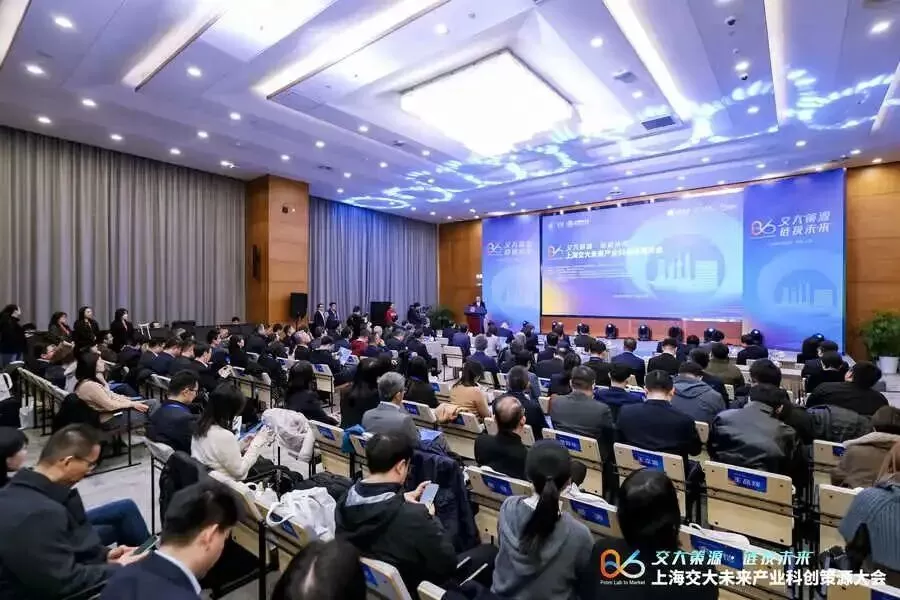
At the outset of the 15th Five-Year Plan, how can we continuously optimize the mechanisms for fostering scientific and technological innovation? How can capital empower innovation? And how can we build a comprehensive ecosystem spanning from fundamental research to industrialization? On December 21, 2025, the “Shanghai Jiao Tong University Future Industry Innovation and Development Conference,” jointly hosted by Shanghai Jiao Tong University and Shanghai State-owned Capital Investment Co., Ltd., was successfully held at the Minhang Campus of Shanghai Jiao Tong University. Attendees included Chen Jie, Member of the Standing Committee of the Shanghai Municipal Party Committee and Vice Mayor of the Shanghai Municipal People's Government; Ding Kuiling, Academician of the Chinese Academy of Sciences and President of Shanghai Jiao Tong University; Xia Kejia, Deputy Secretary-General of the Shanghai Municipal People's Government; Wu Qiang, Deputy Secretary of the Minhang District Party Committee and District Chief; Yuan Guohua, Party Secretary and Chairman of Shanghai State-owned Capital Investment Co., Ltd.; Xi Lifeng, Executive Vice President of Shanghai Jiao Tong University; Dai Minmin, Deputy Party Secretary and President of Shanghai State-owned Capital Investment Co., Ltd.; and Hu Weiwei, Deputy Party Secretary of Shanghai Jiao Tong University. Zeng Xiaoqin, Vice President of Shanghai Jiao Tong University, presided over the conference.
In anticipation of the university's 130th anniversary next year, this conference centered on the theme “Jiao Tong: Source of Innovation, Link to the Future.” It focused on technological innovation and capital empowerment, gathering over a hundred scientists, entrepreneurs, investors, and other distinguished guests. Together, they explored pathways for commercializing scientific achievements, planned new industrial ecosystems for the future, celebrated the university's anniversary, and forged connections for the future.
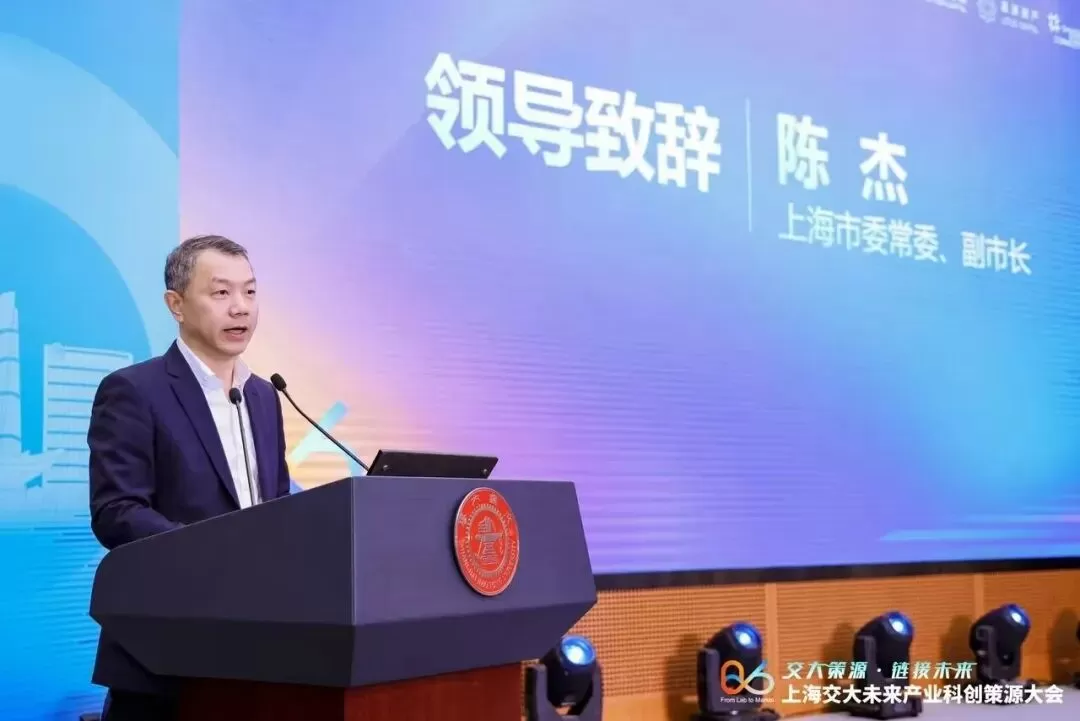
Chen Jie pointed out that Shanghai is deepening the development of its international science and innovation hub, focusing on building world-class industrial clusters in cutting-edge fields such as biomedicine and integrated circuits. He emphasized that universities serve as the main force in fundamental research and the source of major scientific breakthroughs. As a vital source of innovation, Shanghai Jiao Tong University has achieved remarkable results by establishing high-level platforms in relevant fields. He expressed hope that all parties would embrace their mission to pursue original research breakthroughs and deepen collaboration to establish a comprehensive mechanism spanning “basic research—industrial transformation—financial support.” Shanghai will provide optimal support to transform the innovative sparks from the “Zero Origin” into a driving force for high-quality development.
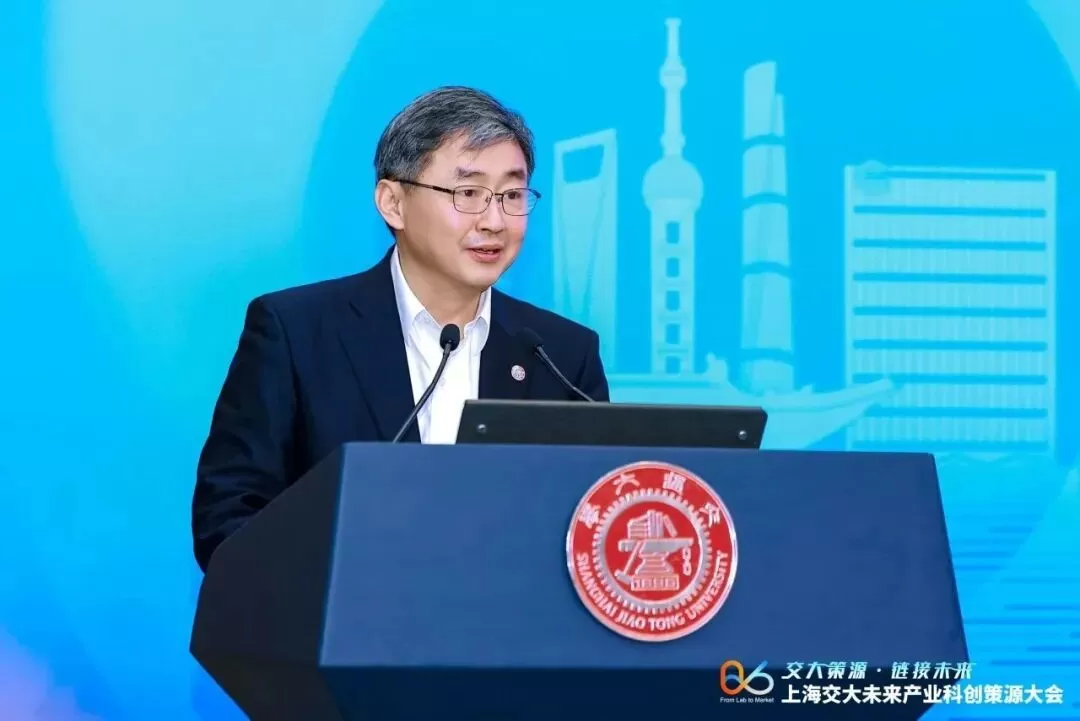
Ding Kuiling stated that in 2026, Shanghai Jiao Tong University will celebrate its 130th anniversary and embark on a new journey of development during the 15th Five-Year Plan period. The coming five years will undoubtedly become a pivotal phase for transforming the “spring of innovation” in scientific and technological advancement into the “robust momentum” of new-quality productive forces. Shanghai Jiao Tong University looks forward to collaborating with numerous partners to steadfastly advance both the “first kilometer” of fostering technological innovation and the “last kilometer” of transforming scientific achievements into practical applications. By successfully navigating these “two kilometers,” we will collectively contribute to accelerating the development of new productive forces and building a modern industrial system!
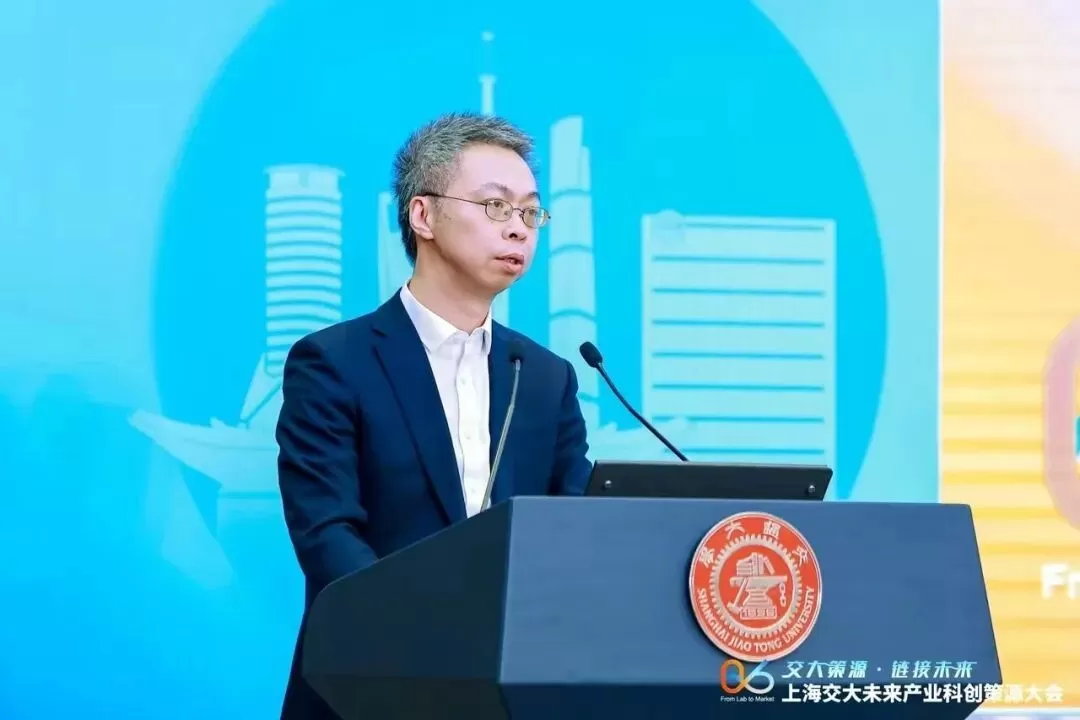
Dai Minmin stated that “innovation as the source of strategy” is the “spring of vitality” that determines the direction and strength of the wave of scientific and technological innovation, and also the “key move” to seize strategic high ground in global technological competition. We look forward to taking this conference as a new starting point to join hands with all parties, including Shanghai Jiao Tong University, to persist in serving as a “converter” for innovation outcomes, an ‘accelerator’ for future industries, and a “coupler” for collaborative development. Together, we will make greater contributions to accelerating the nation's pursuit of high-level scientific and technological self-reliance and self-strengthening, as well as to advancing Shanghai's development as a hub for five key centers.
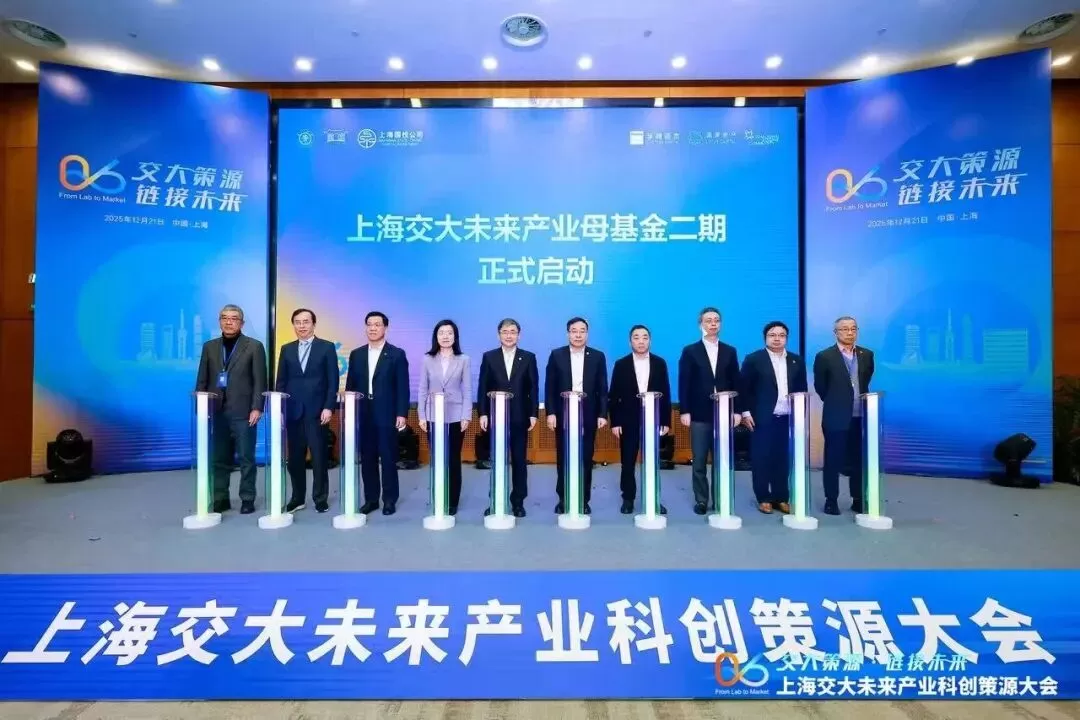
At this conference, the “Shanghai Jiao Tong University Future Industry Fund II” was officially launched. Ding Kuiling, Xi Lifeng, Hu Weiwei, Zeng Xiaoqin, Dai Minmin, Chen Zhineng (President of Bank of China Shanghai Branch), Yang Zhenyu (Chief Investment Officer of SJTU Foundation and Founding Managing Partner of SJTU Hanyuan Asset), Ding Gang (Partner of SJTU Hanyuan Asset), Fei Fei (General Manager of Shanghai Guotou Futeng Capital), and Yu Weijing (Chairman of United Water) jointly participated in the launch ceremony.
Reportedly, the fund targets a scale of 1 billion yuan and will focus on technology transfer within Shanghai Jiao Tong University's (SJTU) leading academic fields, as well as alumni innovation and entrepreneurship. It aims to attract more outstanding institutions and patient capital to engage with SJTU, fostering an environment where “scientists dare to innovate, capital dares to invest, and enterprises dare to pioneer.” This initiative will accelerate the university's technology transfer activities, contribute to building the “Dazero Bay Innovation Ecosystem,” and provide a stronger capital engine for the growth of “SJTU-affiliated” enterprises.
When it comes to science and technology investment, Shanghai Jiao Tong University means business.
On December 17, 2025, MuXi Technology, a leading Chinese GPU company, successfully listed on the STAR Market, with its market value exceeding 330 billion yuan on the first day! Peng Li, Co-founder, CTO, and Chief Hardware Architect of MuXi Technology, is a 2005 Master's graduate from the School of Microelectronics at Shanghai Jiao Tong University.
On the very same day of Muxi's listing, WallRise Technology passed its listing hearing, poised to become the first domestic GPU company listed on the Hong Kong Stock Exchange. WallRise is also a Jiaotong-affiliated enterprise: Chairman Zhang Wen serves as Vice President of the Shanghai Jiao Tong University Artificial Intelligence Alumni Association, while co-founder Liang Xiaoyao is a professor at Shanghai Jiao Tong University.
Both Muxi and WallRise are portfolio companies of the Future Industries Fund. Meanwhile, a cohort of (near) unicorn enterprises from Jiao Tong University—including Fourier Intelligence, Qiongche Intelligence, Wuxin Xingqiong, Yixi Technology, and GenXin Yue—are also thriving under the capital empowerment of the Future Industries Fund.
Since its inception, the Future Industries Fund has prioritized fostering Jiao Tong University's innovation ecosystem and driving industrial upgrading over short-term gains from individual projects. By taking a holistic approach to “calculating the big picture and the overall account,” it empowers future industries.
It is precisely this “big-picture, holistic” approach—embodying the philosophy of patient capital—that enables the fund to invest early, invest small, and invest in high-potential ventures. By applying market-oriented perspectives to uncover the value of startups, it continuously “ups the ante” for Jiaotong-affiliated enterprises. Looking back, this approach has not only enriched the “soil” for innovation and entrepreneurship at Jiao Tong University but also, through the extraordinary growth of outstanding science and technology enterprises, enabled the university foundation's assets to achieve preservation and appreciation, yielding the “dual fruits” of social and economic benefits.
Scientists focus on academic achievements, while investment institutions concentrate on market benefits and technology commercialization, leading to a mismatch in demand and communication gaps between scientific research supply and investment institutions. The Future Industry Fund, born at Shanghai Jiao Tong University, is inherently “the investor who understands scientists best.” Simultaneously, “value preservation and appreciation” is one of the core objectives of university venture funds. The Future Industry Fund serves not only as a “leverage amplifier,” directing more social capital toward the university's technology transfer projects, but also plays a crucial bridging role in fostering collaboration between scientists and the investment community.
“Half of the venture capital world is made up of Shanghai Jiao Tong University alumni”—this industry adage finds vivid confirmation in the 2025 Forbes China Venture Capital 100 list: According to incomplete statistics, 12 alumni from Shanghai Jiao Tong University made the list. Among them, Shen Nanpeng, a member of the university's board of trustees and founding managing partner of Sequoia Capital China, topped the list for the eighth consecutive year. Other alumni featured include Liu Qin (No. 2), Zhang Fei (No. 13), Huang Mingming (No. 28), Ji Yue (No. 31), Mao Chengyu (No. 57), Zhu Tianyu (No. 59), Hou Haoxiang (64th), Wang Xiao (67th), Xu Shi (69th), Fan Yin (83rd), Han Yan (86th), and Zhu Jia (97th) were all included, demonstrating the formidable strength of the Jiao Tong University venture capital network.
“A university's reputation is primarily determined by the societal contributions of its alumni.” The achievements of Jiaotong University's distinguished venture capital alumni have become the greatest asset for the Future Industries Fund. Notably, the fund has invested in Sequoia Capital China (led by alumnus Shen Nanpeng), Yunqi Capital (led by alumnus Mao Chengyu), and Lightspeed China Partners (led by alumnus Zhu Jia), enabling mutual empowerment between alumni and their alma mater. Simultaneously, the fund has established deep collaborations with leading institutions including SDIC Futeng, Yuanhe Puhua, Qigao, Fangguang, Xiaomiao, and Danlu to drive industrial upgrading.
The Future Industries Fund serves not only as an LP for investment institutions but also as their premier “ecosystem partner.”
The Future Industries Fund understands the needs of investment institutions while standing shoulder-to-shoulder with scientists. Prior to establishing the Future Industries Fund, Shanghai Jiao Tong University simultaneously launched the “Tian Gong Plan.” This initiative involves conducting comprehensive surveys of technology transfer projects on campus through “full-coverage” visits, while also striving to break down barriers between academia and the investment community. It aims to propel scientific research outcomes from laboratories to the market, achieving deep integration among industry, academia, research, and investment.
Take Shanghai Guotou Futeng Capital as an example. Since commencing operations on December 27, 2024, this fund has fully leveraged Jiao Tong University's disciplinary strengths and Guotou's industrial resources, focusing 100% on the commercialization of Jiao Tong University's scientific achievements and alumni innovation and entrepreneurship projects. A portion of the fund's returns will be reinvested into the university to support scientific research, talent cultivation, and innovation incubation, creating a virtuous cycle of “investment-reinvestment-renewed innovation.” Within just one year, the fund has successfully invested in 10 high-quality “Jiaotong-affiliated” projects spanning cutting-edge fields such as integrated circuits, biomedicine, artificial intelligence, high-end equipment, and advanced materials.
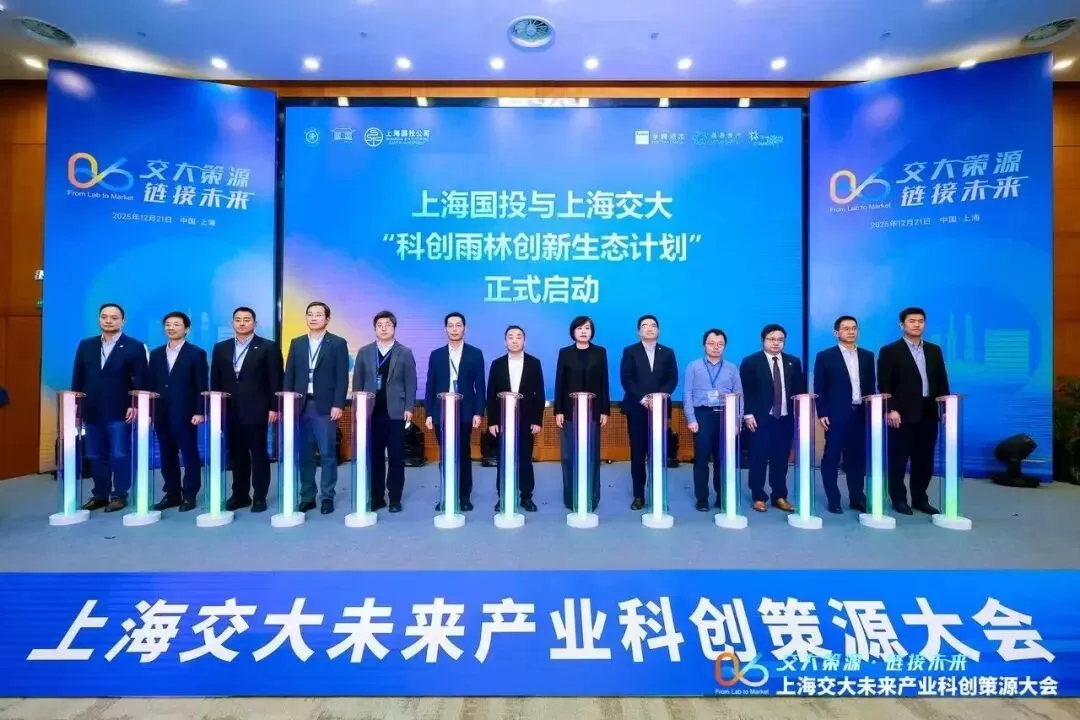
At this conference, Shanghai International Investment Co., Ltd. leveraged its platform resources to collaborate with Shanghai Jiao Tong University's Advanced Industrial Technology Research Institute, School of Mechanical and Power Engineering, School of Microelectronics, School of Materials Science and Engineering, School of Life Sciences and Technology, and School of Artificial Intelligence. Together, they established an industry-academia collaboration ecosystem for scientific and technological achievement transformation. This initiative aims to advance the implementation of the “Innovation Rainforest Plan” by capitalizing on Shanghai Jiao Tong University's disciplinary strengths.
This model of “university-enterprise collaboration + capital empowerment + ecosystem co-construction” is a pivotal component of SJTU's “Innovation Rainforest” strategy. By facilitating deep integration and positive feedback loops between scientific achievements, capital, and industry, it has leveraged 1.8 billion yuan in tangible investments to converge at SJTU.
Investors including SDIC Futeng, Yuanhe Puhua, Qigao, Ant Group, Yunqi, and Xiaomiao have collaborated with SJTU to establish specialized funds targeting SJTU-affiliated projects.
This represents not only capital infusion but also a collective market endorsement of the entrepreneurial value of the “SJTU ecosystem.”
At this conference, a cohort of outstanding Jiaotong University-affiliated sci-tech enterprises made their collective debut.
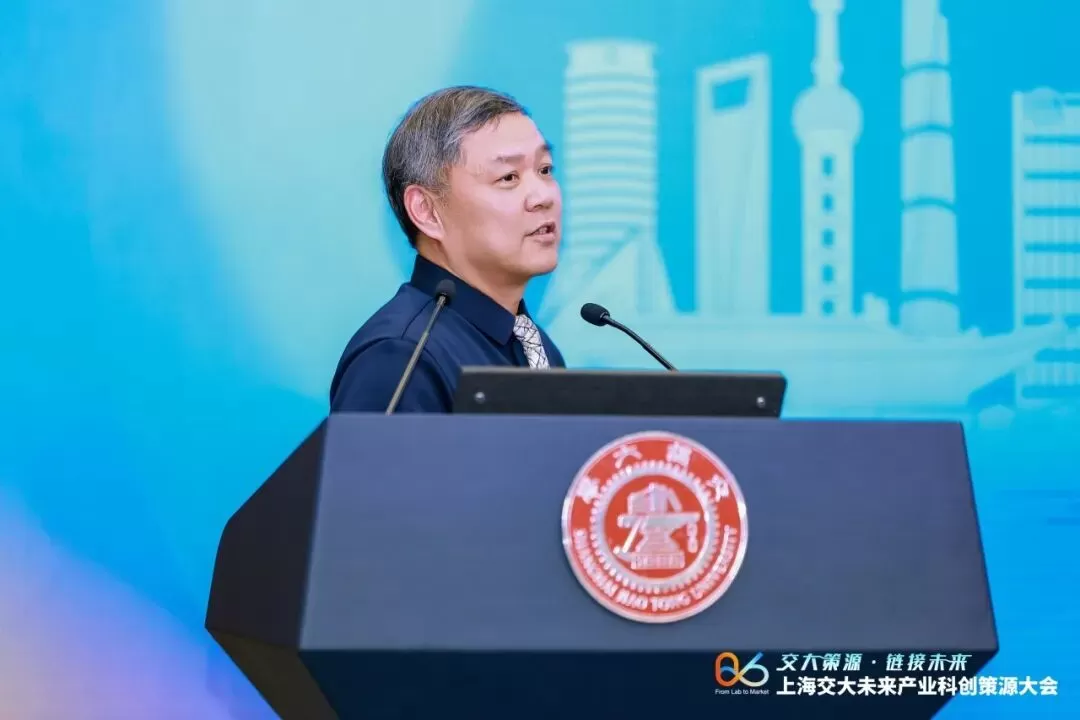
During the keynote session, Jin Zhijian, Tenured Professor at Shanghai Jiao Tong University, Director of the Shanghai Engineering Technology Center for High-Temperature Superconducting Materials and Systems, and Founder of Yixi Technology, stated that high-temperature superconducting materials form the core foundation of fusion devices, with their fabrication processes and mass production capabilities being pivotal to cost control. China's production capacity has surged rapidly in recent years: reaching 300 kilometers in 2023 and surpassing 10,000 kilometers by 2025, with costs rapidly approaching the economic inflection point. Following the milestone breakthrough in high-temperature superconducting high-field magnet technology, the commercialization of controlled nuclear fusion will be significantly accelerated, substantially advancing the long-standing projection that “fusion energy is 50 years away.”
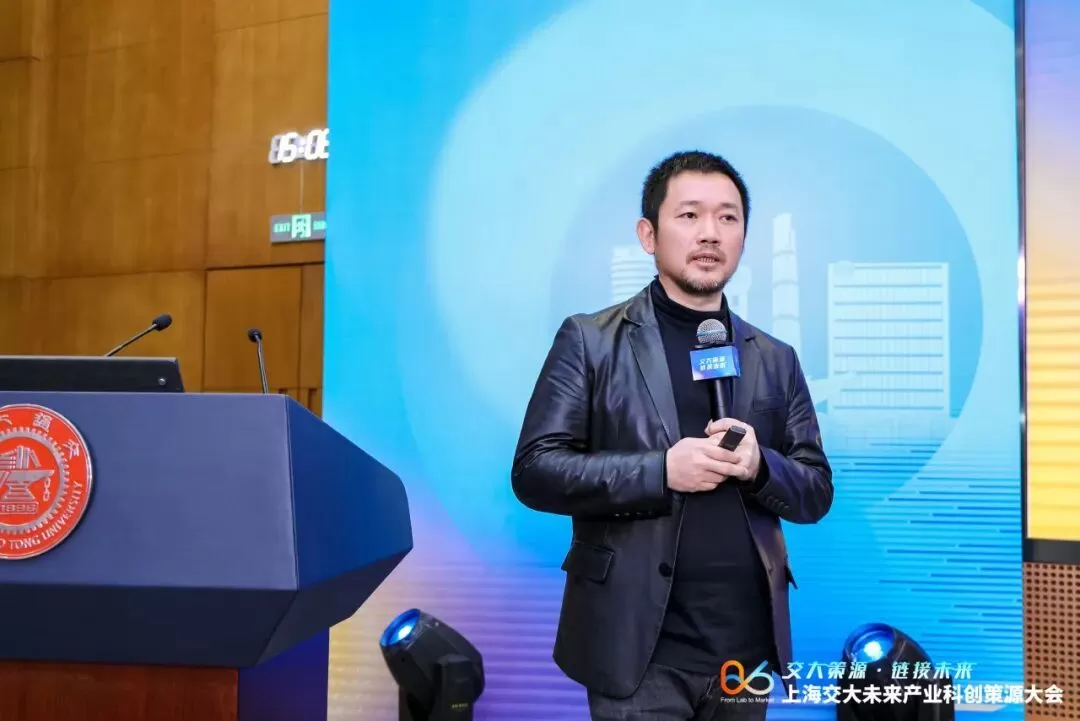
Professor Jin Xianmin of Shanghai Jiao Tong University and Director of the Wuxi Photonics Chip Research Institute (CHIPX) shared insights on breakthroughs and application value in permanent optical storage technology. This technology centers on femtosecond laser direct writing, achieving high-dimensional information storage by constructing three-dimensional nanostructures within quartz. Its key advantages are remarkable: storage lifespan reaches 13.8 billion years, with a single glass substrate smaller than 6 inches capable of over 100TB storage capacity. It exhibits extreme environmental adaptability—resistant to radiation, high voltage, and corrosion—while maintaining near-zero operational costs. Application scenarios focus on infrequently accessed “cold data,” including national data disaster recovery, large-scale data preservation for large model training, original medical DNA archives, financial historical records, and preservation of human civilization heritage. It can also extend to the personal level, enabling digital immortality by storing lifetime information and DNA data.
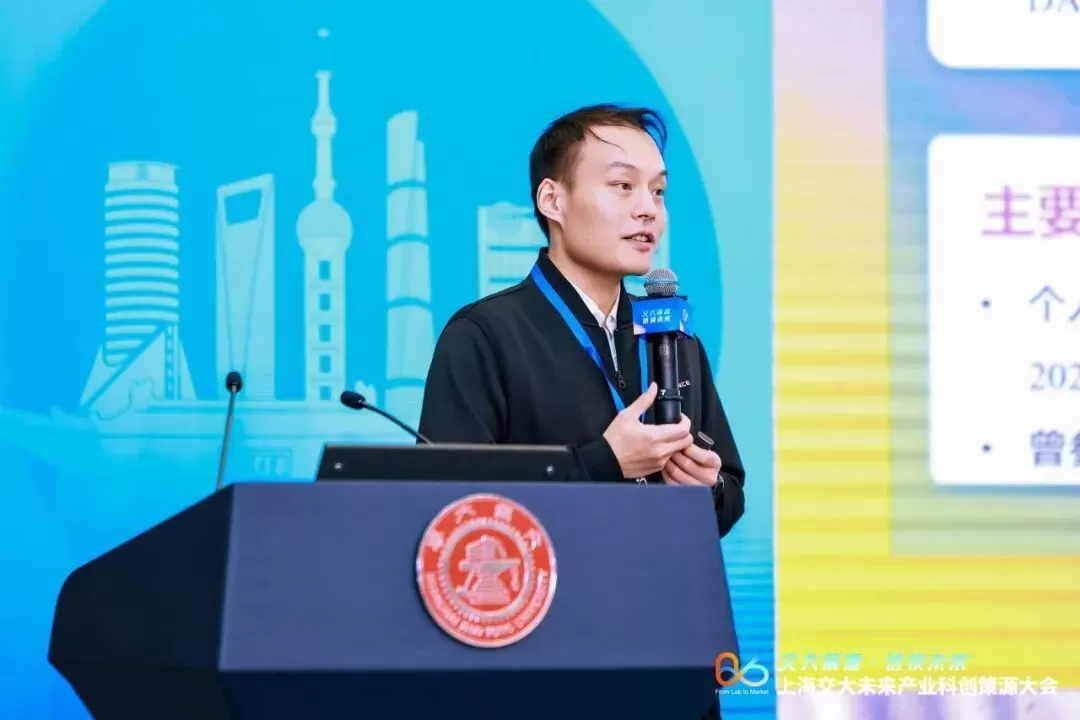
During the elevator pitch session, Dai Guohao, Associate Professor at Shanghai Jiao Tong University and co-founder of Wumeng Xingqiong, stated that the team leveraged research achievements from Shanghai Jiao Tong University to establish Wumeng Xingqiong. The company focuses on heterogeneous computing and hardware-software co-design technologies to provide solutions for China's computing infrastructure. Moving forward, Wumeng Xingqiong will develop future-oriented, cloud-integrated intelligent agent solutions, empowering AI agents with the capability to interact between digital and physical worlds, thereby ushering in a revolutionary new era of AI production relations.
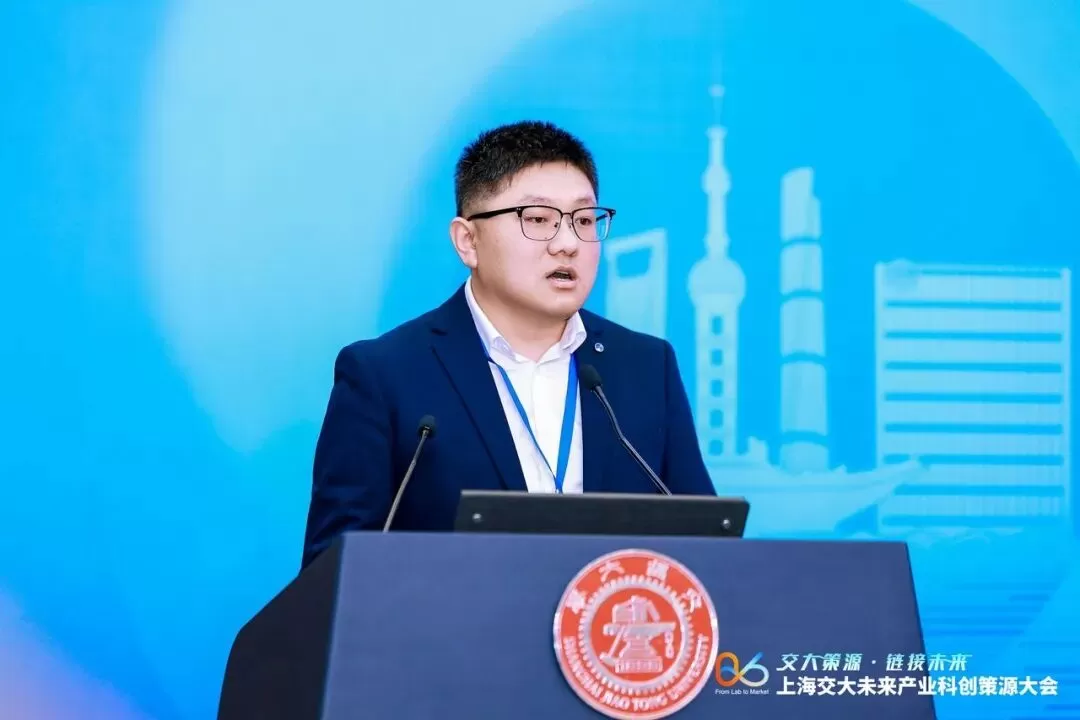
Jiaotong University alumnus Guo Taijie, CTO of DeepSynth, stated that the company leverages click chemistry as its core technology to overcome the bottleneck of traditional small-molecule drug development relying on static compound libraries. By decomposing drug molecules into standardized modules and rapidly reassembling them through highly selective click reactions, DeepSynth endows compound libraries with engineered properties that enable design and iterative refinement.
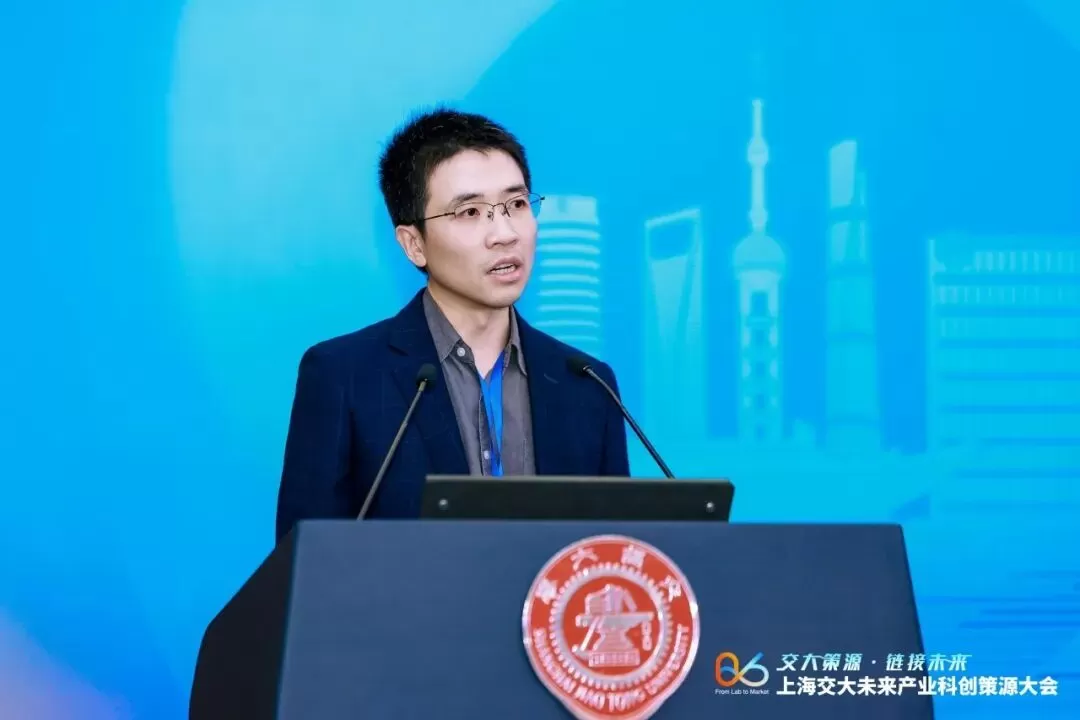
Liu Pengfei, Assistant Director of the Future Energy Research Institute at Shanghai Jiao Tong University and Chairman of Honghu Fusion, stated that Honghu Fusion focuses on developing magnetic confinement fusion energy, with its core strategy centered around the stellarator approach. Controlled nuclear fusion requires two key elements: “confinement” and “steady-state operation.” While the tokamak approach leads in “confinement,” stellarators inherently possess advantages in steady-state operation, enabling them to address strategic shortcomings in China's development of this fusion pathway. The company aims to become a world-leading developer of stellarator fusion reactors, contributing to national energy security and the “dual carbon” goals.
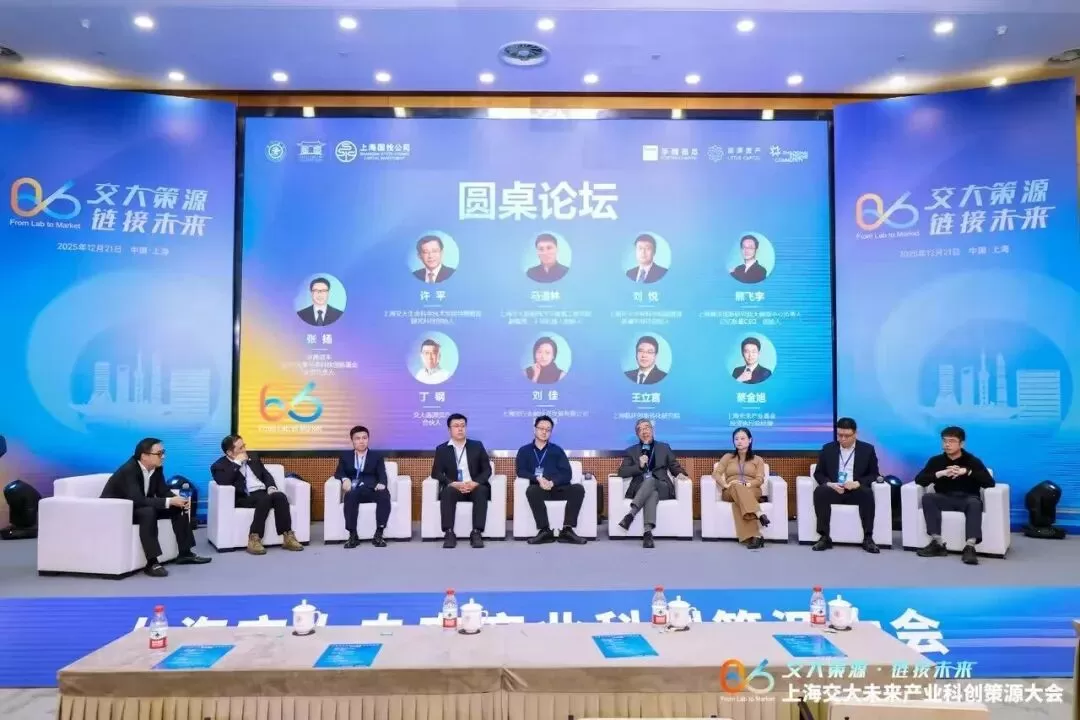
At the roundtable forum titled “How Capital Empowers Future Industries,” participants included Xu Ping, Distinguished Professor at Jiaotong University's School of Life Sciences and Technology and founder of Sipeng Technology; Ma Daolin, Associate Professor at Jiaotong University's School of Naval Architecture, Ocean and Civil Engineering and founder of Ganjue Robotics; Liu Yue, Associate Professor at Jiaotong University's School of Materials Science and Engineering and founder of Shenglan Semiconductor; Xiong Feiyu, CEO and Founder of Memory Tensor and Head of the Large Model Center at Shanghai Algorithm Innovation Institute; Ding Gang, Partner at Jiaotong University's Hanyuan Asset; Liu Jia, Deputy General Manager of Shanghai Minhang Financial Investment Development Co., Ltd.; Wang Liyan, Vice President of Shanghai Clinical Innovation and Transformation Institute; and Cai Jinxu, Investment Executive General Manager of Shanghai Future Industry Fund. Participants unanimously agreed that the closed-loop synergy of university research, capital empowerment, and industrial implementation will propel future industries from “experience-driven” to “engineered and scaled” advancement.
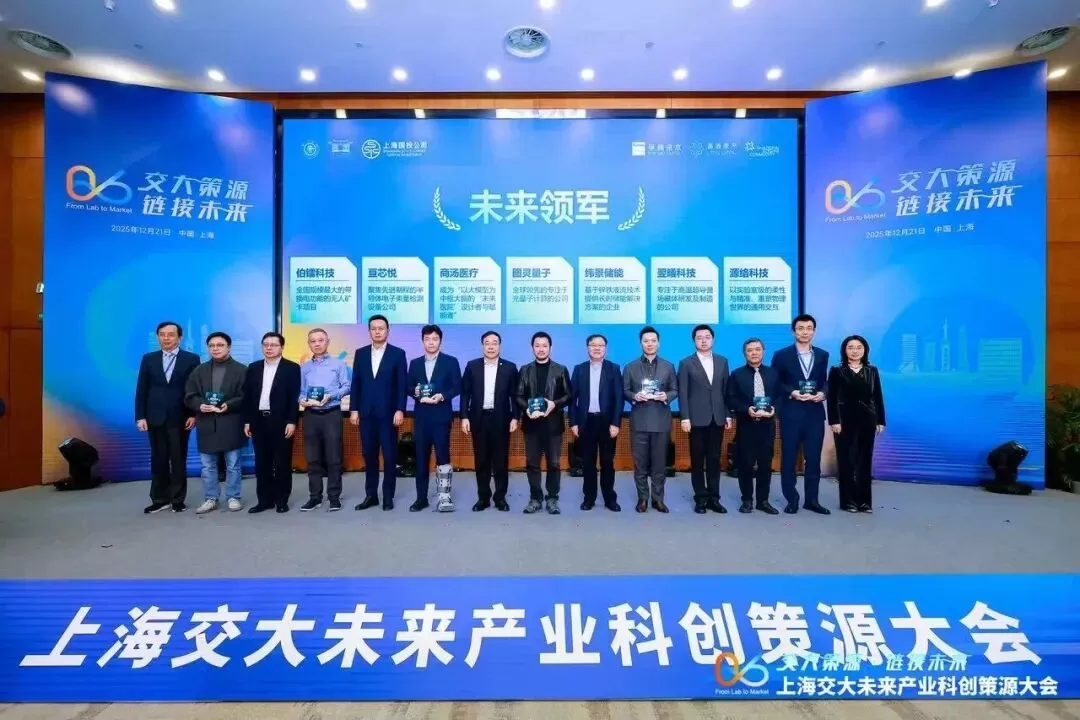
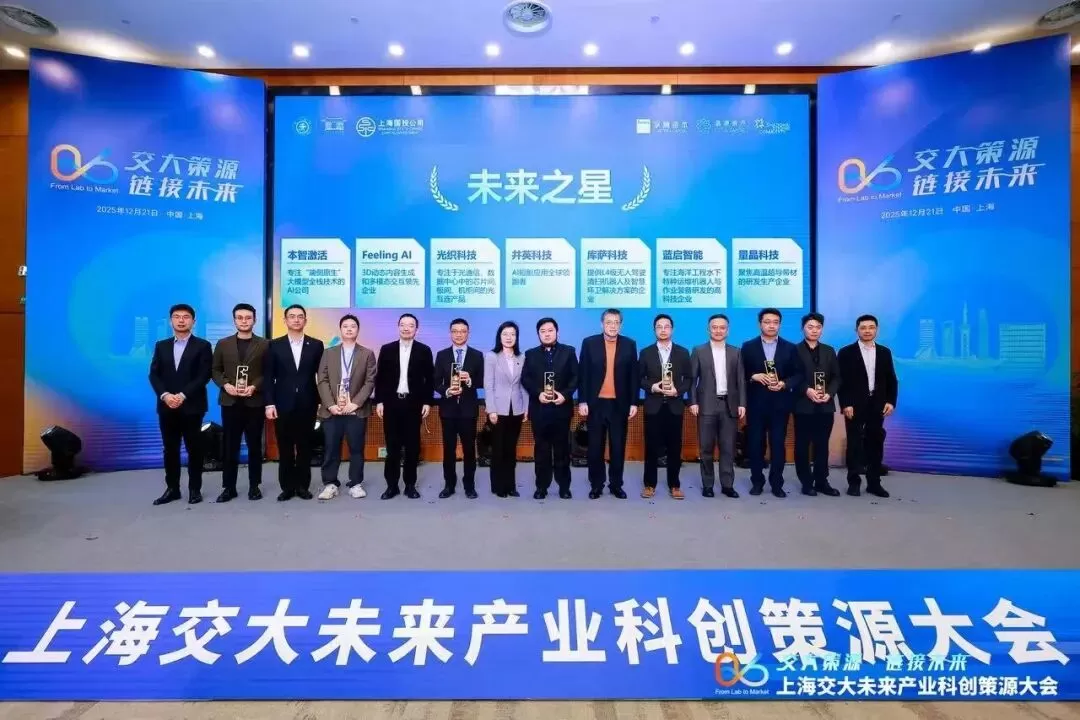
At this conference, the Jiaotong University 2025 “Future Leading Enterprises” and “Future Star Enterprises” awards ceremony was also held. Outstanding companies including Bolai Technology, GenXinYue, SenseTime Healthcare, Turing Quantum, Weijing Energy Storage, Yixi Technology, and Yuanluo Technology were honored as Jiaotong University 2025 “Future Leading Enterprises”; BenZhi Activation, Feeling AI, Guangzhi Technology, Jingying Technology, Kusa Technology, Lanqi Intelligence, Liangjing Technology, Lingjiu Medical, Lingrui Zhixin, HydroLuan Technology, Shunjing Technology, Tianyine Bio, Yusheng Yueban, and Zhixiang Medical were honored as Jiaotong University 2025 “Future Star Enterprises.”
Notably, at this conference, representatives from Jiaotong-affiliated listed companies—including Dai Weimin of VeriSilicon, Yu Rong of Meilian Health, Chen Ning of CloudTian LiFei, Zhou Hongjian of Jiaocheng Ultrasound, and Xu Li of SenseTime—presented awards to the new cohort of Jiaotong “Future Leading” and “Future Star” enterprises. This vividly exemplifies the enduring legacy of Jiaotong-affiliated startups, embodying the spirit of “continuous innovation and passing on the torch.”
When it comes to science and technology innovation investment, Jiaotong University means business.
Anchored by the era's imperative of “deep integration between scientific and technological innovation and industrial innovation” as outlined in the Fourth Plenary Session of the 20th CPC Central Committee, Shanghai Jiao Tong University is redefining the boundaries of a top-tier university through a series of “two-way convergence between scientific innovation and financial capital.” It is not only an “academic peak” where major original scientific achievements are born, but also a “tropical rainforest” that nurtures hard technology unicorns—allowing scientific achievements to grow into “towering trees” within industries, jointly writing the “Jiao Tong Power” of China's hard technology rise.